Before You Buy Another Bottle: 5 Telltale Signs Your Stress Supplement Is All Marketing
Photo: ashwagandha supplement capsules and shilajit resin jar on wooden table, via m.media-amazon.com
You did everything right. You cut back on late-night scrolling, you tried the breathwork app, you even bought the weighted blanket everyone on TikTok swears by. And then you landed on a stress supplement — maybe ashwagandha, maybe shilajit — as the final piece of your wind-down routine.
Here's the uncomfortable truth: a big chunk of what's sold in the name of "stress support" is underdosed, unverified, or flat-out fake. The FDA doesn't vet supplements for efficacy before they hit shelves, which puts the detective work on you. The good news? Spotting a dud isn't hard once you know what to look for.
Red Flag #1: No Third-Party Testing (or Testing You Can't Verify)
Legitimate brands pay independent labs — think NSF, USP, or ConsumerLab — to verify what's actually in the bottle. If a product's label and website make zero mention of third-party testing, that silence is telling.
Go one step further: a trustworthy company will publish a Certificate of Analysis (COA) with a batch number you can match to your bottle. If you email customer service asking for a COA and get a vague sales pitch instead of a PDF, close the tab.
Red Flag #2: The Price Is Too Good to Be True
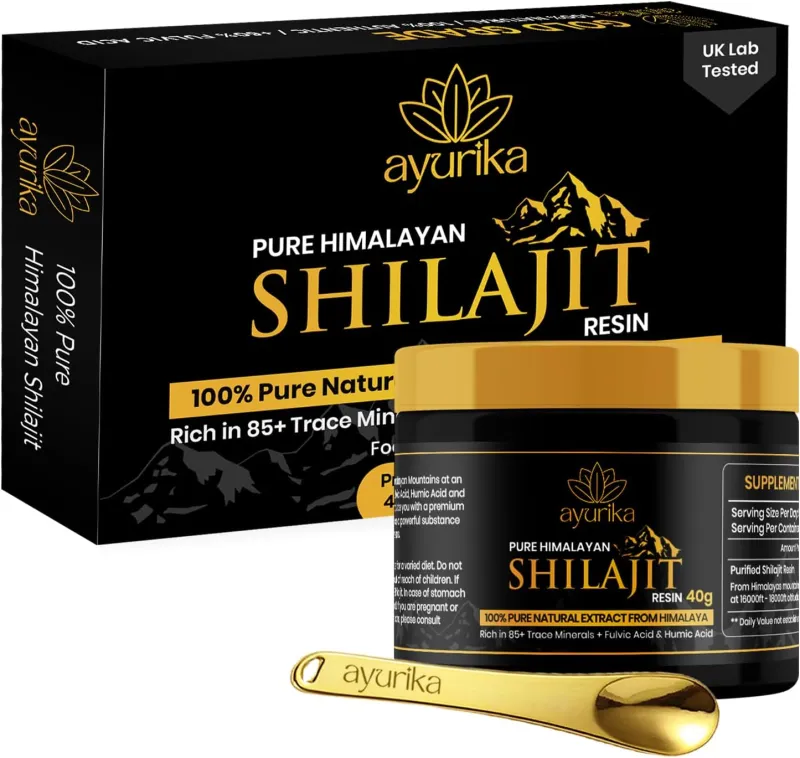
Real KSM-66 or Sensoril ashwagandha extract costs money to produce. Authentic Himalayan shilajit is harvested in genuinely difficult conditions and processed carefully — which is why genuine resin typically runs $30 to $60+ per ounce.
If you find a jar of "pure Himalayan shilajit" for $9.99, you're not getting a deal. You're getting dirt, molasses, or a heavily diluted paste. Same logic applies to ashwagandha: rock-bottom pricing usually means root powder instead of a concentrated extract, or worse, filler with a dusting of the real thing.
Red Flag #3: "Proprietary Blend" Doing Heavy Lifting
When a label lists a "Calm & Relaxation Blend — 850mg" without breaking out individual ingredient amounts, you have no idea whether you're getting a clinically studied 300–600mg of ashwagandha or a token sprinkle hiding behind eleven other ingredients. Brands use proprietary blends to hide underdosing. Transparent labels are a competitive advantage; opacity is a warning sign.
Red Flag #4: Missing Withanolide Standardization
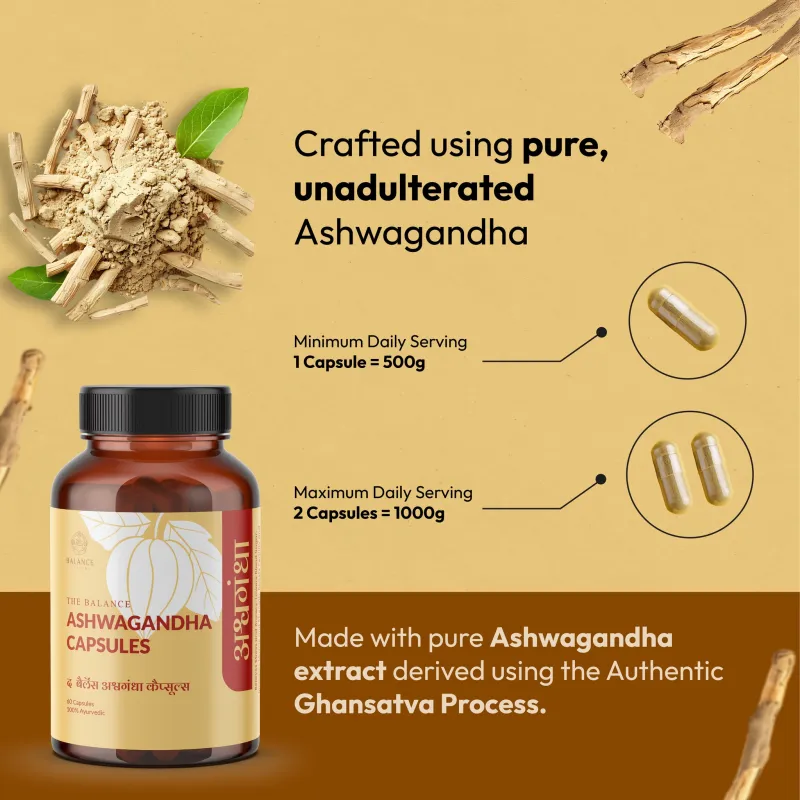
Ashwagandha's active compounds are called withanolides, and the research on stress and sleep — including trials showing meaningful reductions in perceived stress and cortisol — used standardized extracts, typically at 5% withanolides by weight.
Here's your quick checklist before buying any ashwagandha product:
- Extract type named: Look for KSM-66 (full-spectrum, root-only) or Sensoril (root and leaf, higher withanolide concentration) — or at minimum "root extract," never vague "ashwagandha blend."
- Withanolide percentage stated: 5% is the research-backed standard. If it's not on the label, assume it wasn't measured.
- Dose matches the studies: 300–600mg of extract daily. "250mg of ashwagandha root powder" is not the same thing.
- Root, not just leaf: Traditional use and most modern research center on the root.
Red Flag #5: Your Shilajit Fails the Kitchen Test
Shilajit might be the most counterfeited supplement on the market, precisely because most buyers have no idea what the real stuff looks like. Genuine resin is sticky at room temperature, dark brown to nearly black, and dissolves fully in warm water with no grit.
Run this simple test:
- Warm water test: Drop a pea-sized piece into a glass of warm (not boiling) water. Authentic shilajit softens, dissolves within minutes, and turns the water a deep amber or golden-brown. No residue, no cloudiness, no chunks.
- The flame check: Real resin doesn't melt into a puddle and run like plastic, nor does it catch fire easily — it bubbles and chars slowly. Fake versions made with asphalt or pitch smell acrid and burn dirty.
- The chill test: Refrigerate it. Real shilajit hardens and becomes brittle in the cold, then turns sticky again at room temperature. Consistent texture regardless of temperature? Suspect.
- The stretch test: Authentic resin pulls and stretches slightly between your fingers, like thick tar. It doesn't crumble or feel waxy.
No single test is courtroom-proof, but a product that fails two or more of them has no business in your supplement drawer.
The Bottom Line
Your stress stack should lower your cortisol, not your bank account. Buy from brands that publish COAs, name their extracts, state their withanolide content, and price their products like the real ingredients inside them. And if you already own a shilajit jar that's been sitting in your cabinet — well, now you have a fun science experiment for tonight.
Your nervous system deserves the real thing. Verify first, swallow second.