Jaw, Heels, Hairline: The Stress Report Card Your Body Fills Out Before You Do
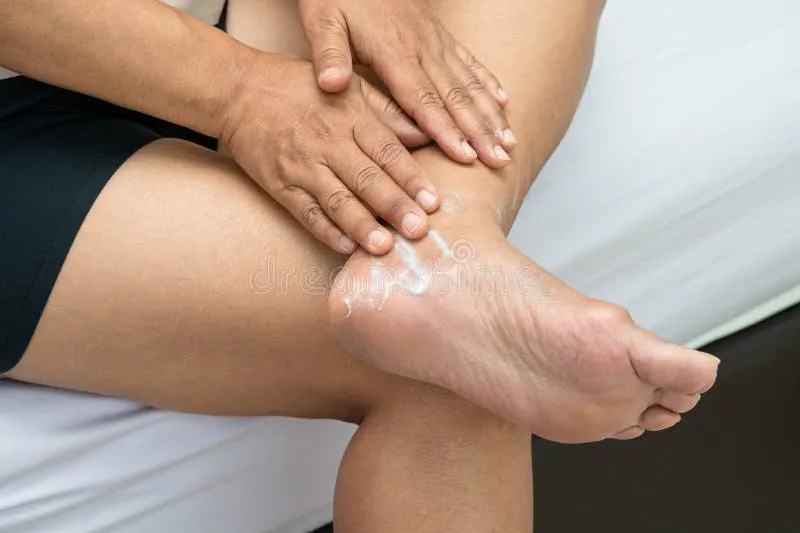
Photo: woman rubbing cracked heels foot care home stress, via thumbs.dreamstime.com
I went to the podiatrist for cracked heels. I came out with a stress diagnosis.
Not from the podiatrist, exactly. She just mentioned, in that offhand way doctors do, that my cortisol was probably 'doing something interesting' given the state of my feet, my clenched jaw (which she noticed while I was white-knuckling the exam table), and the fact that I'd mentioned being 'fine' four times in ten minutes.
It stuck with me. Because here's the thing: our bodies file paperwork on our stress long before our brains sign off on it. And most of us are walking around with a stack of unpaid invoices — a tight jaw, shedding hair, a stomach that hates us — wondering why our meditation app says we're at a 47-day streak.
Your Body Keeps Score (Even When You Say You're Fine)
Dr. Elena Marsh, a functional medicine practitioner in Austin, puts it bluntly: 'By the time someone books an appointment for fatigue or brain fog, their body has usually been raising the alarm for eighteen months. The jaw clenching, the heel cracks, the hair in the shower drain — those are the early memos nobody reads.'
The stress response was designed for short bursts. You see a bear, you run, you're done. Modern stress is more like a bear that follows you to work, sits in on your Zoom calls, and sends emails at 11 p.m. Your cortisol never fully clocks out.
And when it doesn't, the effects show up in unglamorous places.
The Symptom Map Nobody Gave You
Your jaw. Nighttime clenching and grinding (bruxism, if you want the billing code) is one of the most common physical markers of an overtaxed nervous system. Dentists often catch it before therapists do.
Your heels. Chronically high cortisol impairs skin barrier repair and circulation to the extremities. Cracked, dry heels that don't respond to lotion can be a circulation-and-stress story, not just a sandal story.
Your hair. Telogen effluvium — stress-induced shedding — typically shows up two to three months after a stressful stretch. So the hair loss you notice in March might be February's problem.
Your gut. Roughly 70% of your immune system and a huge chunk of your serotonin live in your gut. Stress changes gut motility and the microbiome, which is why big presentations and IBS flares travel together.
What the Vaidyas Figured Out Centuries Ago
Ayurveda never needed a wearable to know this. 'We have always read the body the way you'd read a field,' says vaidya Ram Sharma, who trained in Kerala. 'Cracked feet, disturbed sleep, a tongue with a coating, hair that falls — these are signs of vata aggravated, of the nervous system running dry. We did not have the word cortisol. We had the observation.'
Classical Ayurvedic assessment — reading the pulse, examining the tongue, looking at skin and hair — is essentially a low-tech biomarker panel. And its conclusion matches modern functional medicine: treat the nervous system first, and a surprising number of 'separate' problems improve together.
So What Do You Actually Do About It?
Here's the part where I wish someone had handed me a flowchart. Different symptoms respond to different first moves:
For jaw clenching and racing thoughts: This is where ashwagandha has the strongest evidence. Multiple clinical trials show meaningful reductions in perceived stress and cortisol levels, typically at 300–600 mg of a standardized root extract daily. It won't stop you from clenching overnight, but lowering the baseline makes the nightly jaw-wrestling match less intense. A nighttime wind-down routine — screens off, warm milk or tea, actual bedtime — does the rest.
For exhaustion underneath the stress: Shilajit is the Ayurvedic answer to depletion — the drained, wrung-out feeling that comes after months of running hot. It's less about calming and more about refilling. Think of ashwagandha as the brake and shilajit as the fuel. They're often paired for exactly this reason.
For gut issues: Neither herb is the first move. Diet regularity, actual meals (not desk grazing), and stress management come first — because your gut is mostly downstream of your nervous system.
For hair and skin: These are lagging indicators. They improve last and take the longest. Don't judge your protocol by your hairline for at least three months.
The Uncomfortable Part
No supplement out-runs a lifestyle that's actively burning you down. Ashwagandha at 600 mg while answering work emails at midnight is like putting premium gas in a car with a cracked engine block.
What worked for me, eventually, was embarrassingly boring: a real bedtime, ashwagandha in the evening, a shilajit-and-water ritual in the morning, and — this is the hard one — admitting to my podiatrist that I was not, in fact, fine.
My heels took about eight weeks to forgive me. The jaw took longer. But the point isn't perfection. It's that your body has been keeping score all along — and it's actually rooting for you to read the report.
As always, talk to your doctor before starting any supplement, especially if you're pregnant, managing a thyroid or autoimmune condition, or taking medication.

