Cancel the Subscription: The Ramayana-Era Wellness Stack That Costs Exactly Nothing
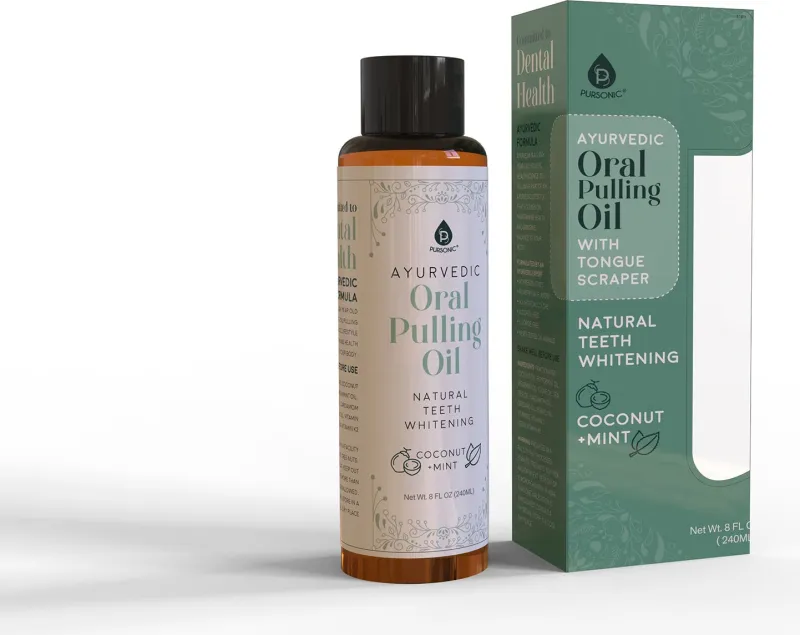
Photo: tongue scraper oil pulling ayurvedic morning routine, via n.nordstrommedia.com
I did the math last month and I'm still a little embarrassed by it. Between a meditation app, a monthly wellness box, and a "personalized" supplement subscription, I was spending $84 a month on feeling better. That's over a thousand dollars a year for things that, it turns out, have cheaper and older competitors.
Like, thousands-of-years-old competitors. The kind of old that shows up in the Ayurvedic tradition that runs parallel to the epics — the same era when the Ramayana was taking shape, and when daily ritual wasn't a product, it was just called Tuesday.
Here's the stack the ancients were running, no credit card required.
1. Oil Pulling: The Original Mouth Reset
Swishing a tablespoon of sesame or coconut oil in your mouth for 10 to 15 minutes sounds like a prank until you try it. It's an ancient practice called gandusha, and while the science is still catching up, small studies suggest it can reduce the bacteria responsible for plaque and bad breath. I started doing it while making coffee — by the time the pour-over is done, the swishing is done. Cost of entry: the coconut oil already in your pantry.
Compare that to the $30 "oral microbiome kit" my wellness box sent me in February. One of these things has been around for centuries. The other has a QR code.
2. Tongue Scraping: Ten Seconds, Every Morning
Ayurveda has recommended tongue scraping (jihwa nirlekhana) for as long as it has recommended almost anything. The logic: your tongue accumulates a coating overnight, and scraping it off is faster and more thorough than brushing it around.
A stainless steel scraper costs about seven dollars and lasts forever. Mine lives next to my toothbrush, and the ten seconds it takes has become the smallest, most reliable win of my morning. Modern dental hygiene doesn't object to it, either — it's harmless, and plenty of dentists shrug approvingly.
3. Timed Meals: Eating Like It's a Schedule, Not a Vibe
Here's the Ayurvedic principle that has aged the best: eat your largest meal at midday, when digestion is supposedly strongest, and keep evenings light. No app. No coaching call. Just a clock and some discipline.
I tried it for two weeks after my dinner-heavy habits caught up with me. Big lunch, modest dinner, nothing after 7:30. My sleep improved within days — which tracks, since digestion and rest are tangled together in both ancient texts and modern circadian research. The $84 subscription never once mentioned dinner timing. It was too busy shipping me gummies.
4. Breathwork: The Zero-Dollar Nervous System Hack
Pranayama — controlled breathing — is the practice modern wellness keeps "discovering" and repackaging. Alternate nostril breathing, long exhales, box breathing: these are free, portable, and supported by a genuinely robust body of research on slow breathing and stress response.
My meditation app charged $70 a year to teach me a 4-7-8 breath that takes ninety seconds to learn from any library book. The ancients didn't have push notifications, and honestly, that was the feature.
5. Self-Massage With Warm Oil: Abhyanga, the Luxury You Already Own
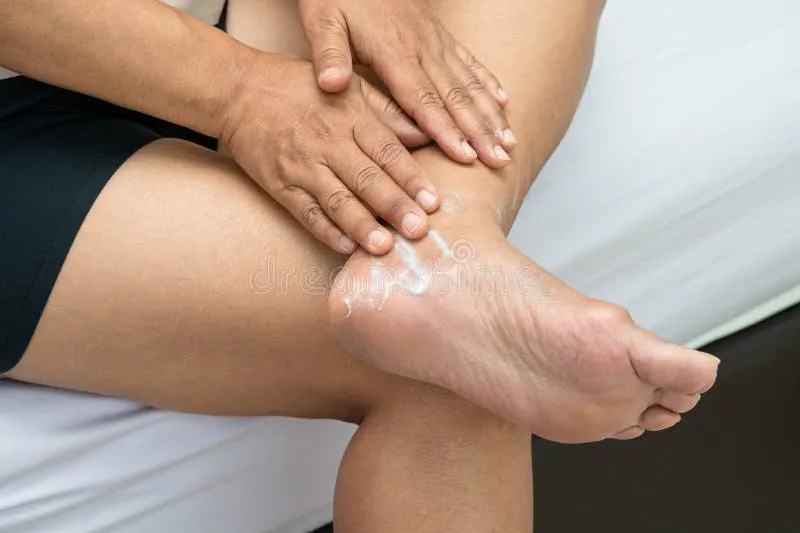
Abhyanga — massaging warm oil into your skin before a shower — is the practice I resisted longest because it sounded like a spa thing. It is not a spa thing. It's ten minutes of sesame oil and your own two hands, and it doubles as a lesson in paying attention to your own body, which is the entire point of most wellness products anyway.
A bottle of decent sesame oil runs about eight dollars and lasts a couple of months. The wellness box version of this was a $45 "lymphatic body oil" that smelled like a candle store and did the same job.
Where Supplements Actually Fit
I'm not going to pretend I don't still take ashwagandha and shilajit — this is AshwaJalajit, and I believe in the stuff. But notice what's on this list: five practices, almost no cost, most of them taking less time than the average app onboarding flow. The herbs work best as a layer on top of a foundation, not instead of one.
The ancients ran the original wellness stack. It had no monthly fee, no cancellation flow, and no upsells. The only subscription it required was the daily one — showing up for yourself, ten seconds and one tablespoon at a time.