Your Third Coffee Isn't the Problem — Your Cortisol Might Be

Photo: stressed office worker at desk with third cup of coffee, afternoon sunlight, laptop, via images.stockcake.com
Here's a scene you probably know intimately: it's 2 p.m., you've already had two coffees, your shoulders are somewhere around your ears, and you're googling "why am I so tired all the time" between Slack pings.
You're not alone. The American Psychological Association's annual Stress in America surveys have consistently found that a huge share of US adults report stress levels higher than they consider healthy, with work and money topping the list. Add in a sleep debt epidemic — roughly a third of American adults don't get the recommended seven hours — and you've got a nation that's simultaneously exhausted and wired.
And what do we do about it? We drink more coffee. Which is a bit like putting out a fire with gasoline.
The Cortisol Loop Nobody Told You About
Cortisol gets a bad rap, but it's not a villain — it's your get-up-and-go hormone. The problem is that chronic stress keeps it elevated when it should taper off, which can leave you feeling anxious at midnight and groggy at noon. Poor sleep raises stress reactivity, which raises cortisol, which wrecks sleep. Round and round it goes.
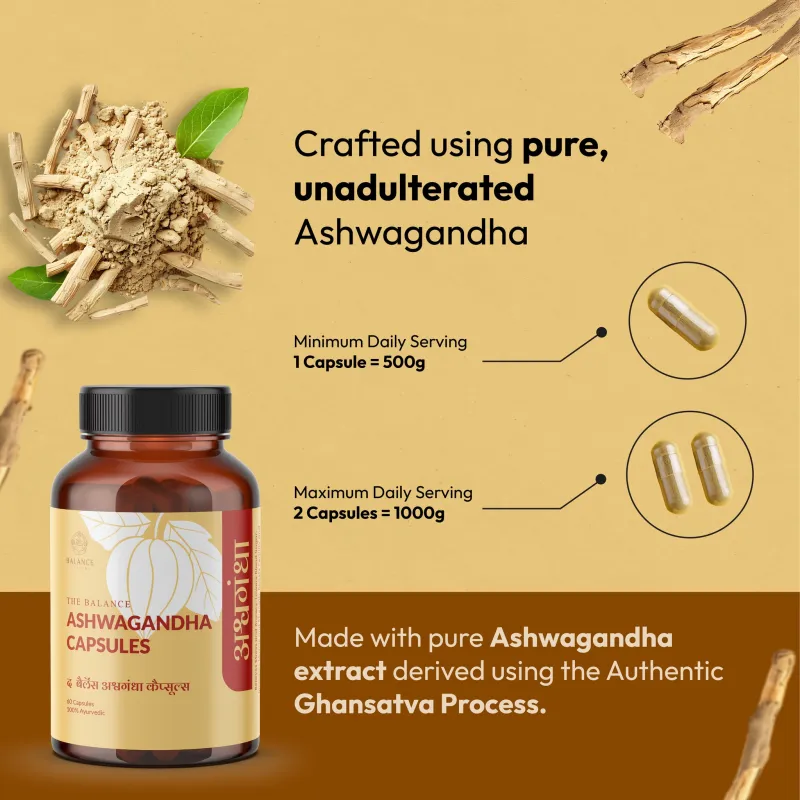
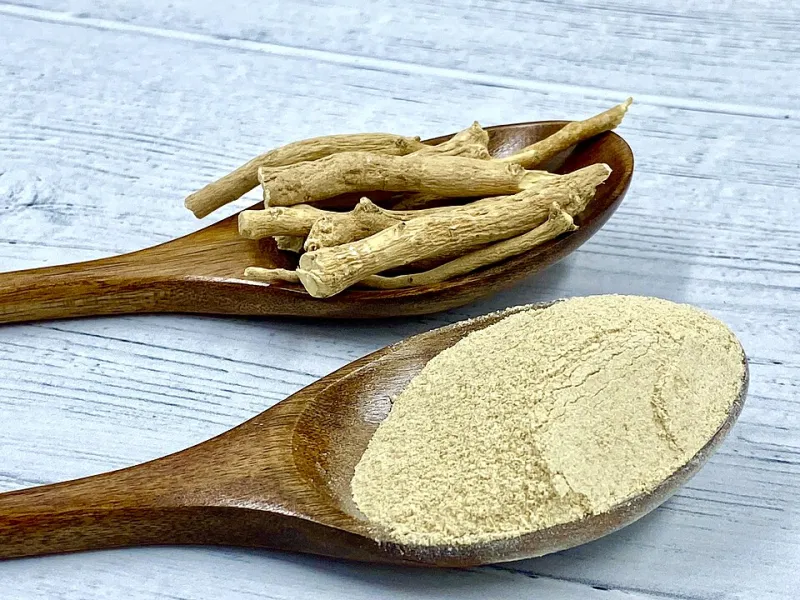
This is where adaptogens enter the chat. Ashwagandha in particular has been studied for its effect on cortisol levels, with several randomized controlled trials showing meaningful reductions in perceived stress and serum cortisol compared to placebo. It's not magic — it's more like turning down a volume knob that's been stuck at ten.
What Actual Users Are Saying
Skip the brand websites and head to Reddit's r/Supplements or r/Nootropics, and a pattern emerges. The recurring themes in ashwagandha threads:
- "I didn't realize how tense I was until it stopped." Many users describe a muted, less reactive baseline rather than euphoria.
- "Sleep came first." A lot of people notice better sleep before they notice less stress — which tracks, since the two are entangled.
- "Some people feel flat." A minority of users report emotional blunting and stop taking it. Worth knowing before you buy a six-month supply.
- "Give it weeks, not days." The consistent advice from experienced users: judge it after 4–8 weeks, not 4 days.
That last point matters. Adaptogens aren't ibuprofen. If you expect a same-day effect, you'll quit early and miss the actual benefit.
My Honest Opinion: It's a Tool, Not a Lifestyle
Here's where I'll get a little opinionated, because the marketing wants you to believe otherwise: ashwagandha will not fix a life that's structurally unsustainable.
If your job is crushing you, your boundaries are nonexistent, and your only downtime is doomscrolling at 1 a.m., a root extract is a bandage on a broken pipe. It can genuinely help — but it works best alongside the boring stuff, not instead of it:
- A consistent sleep and wake time, even on weekends
- Actual breaks during the workday — yes, lunch away from your desk counts
- Some form of movement, because exercise is the most underrated cortisol regulator there is
- Caffeine before noon, not as an all-day coping mechanism
Think of ashwagandha as one leg of a four-legged stool. It's a good leg. It's just not the whole stool.
How to Try It Sensibly
If you want to experiment:
- Start with a standard root extract dose (most studies use roughly 300–600 mg daily of a concentrated extract).
- Take it in the evening if sleep is your main issue; split doses if stress is.
- Track two things — your sleep and your afternoon energy. Data beats vibes.
- Talk to your doctor if you're on thyroid medication, pregnant, or managing an autoimmune condition.
The Takeaway
America doesn't have a coffee problem so much as a chronic stress problem that coffee papers over. Ashwagandha offers a genuinely promising, well-studied way to take the edge off — but the real win comes when you pair it with habits that lower your stress load in the first place. The root can quiet the noise. You still have to turn down the sources.