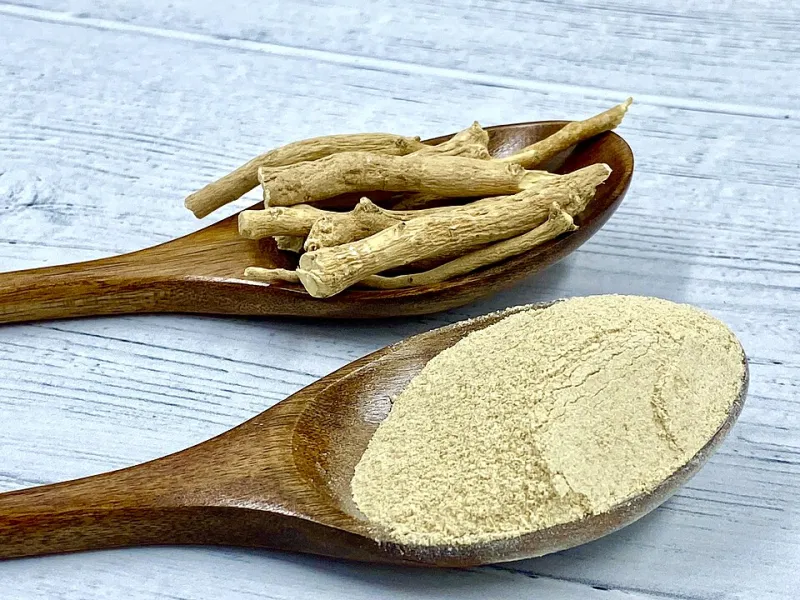
Bloodwork Season Is Coming: The Supplement Conversation Your Doctor Wishes You'd Start
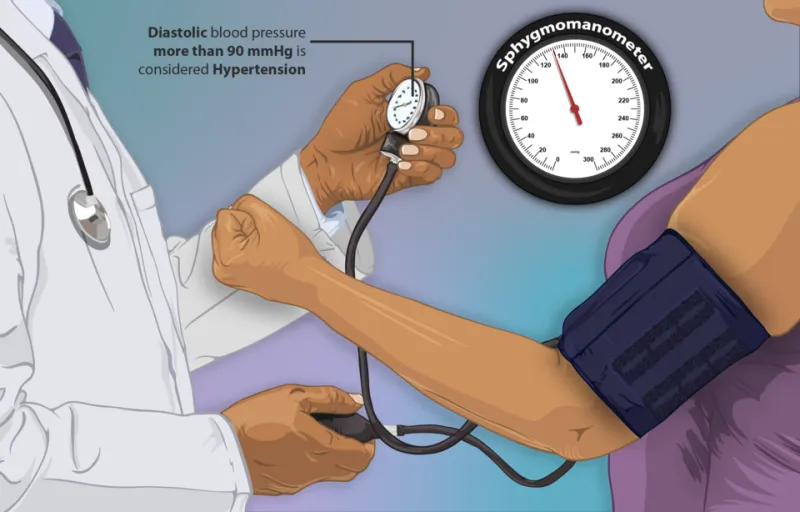
Photo: https://www.myupchar.com/en, CC BY-SA 4.0, via Wikimedia Commons
Every January, millions of Americans book their annual physical, fast for twelve hours, and roll up a sleeve without ever mentioning the amber jar of shilajit resin sitting on the bathroom counter.
That's a problem. Not because ashwagandha and shilajit are dangerous — for most healthy adults, they're remarkably well tolerated. It's a problem because these botanicals can genuinely move the numbers on your lab report, and your doctor is interpreting those numbers blind.
Let's fix that before your next appointment.
Your Thyroid Panel Isn't Reading Your Mind — It's Reading Your Ashwagandha
If you're taking ashwagandha and your TSH comes back looking better than it did last year, hold the confetti. Several small clinical trials have shown ashwagandha may nudge thyroid hormone levels upward, particularly T3 and T4, in people taking it consistently.
For someone with an underactive thyroid, that might sound like a free upgrade. But here's the catch: if you're on levothyroxine or another thyroid medication, your doctor may adjust your dose based on labs that are being influenced by a supplement you never mentioned. That's how people end up over- or under-medicated — not because the supplement is villainous, but because nobody connected the dots.
If you have a thyroid condition, or a family history of one, this is the single most important disclosure you can make.
Cortisol Readings: The Test You're Skewing on Purpose
Here's a fun irony: many people take ashwagandha specifically to lower cortisol, then act surprised when their cortisol comes back lower.
If your physician ordered a morning cortisol test — maybe to investigate fatigue, weight changes, or blood pressure — and you've been taking a standardized ashwagandha extract for a month or more, your results may reflect the supplement's effect rather than your baseline. That doesn't make the reading worthless, but it changes what it means. A suppressed cortisol in someone popping adaptogens daily tells a very different story than the same number in someone who isn't.
Mention the timing, too. Some people take ashwagandha at night for sleep, others in the morning. Your doctor will want the full picture.
Shilajit and the Heavy Metal Question
Shilajit deserves its own conversation, and not the one you're expecting.
Because shilajit is a mineral resin harvested from rock formations in the Himalayas and elsewhere, its purity depends entirely on the manufacturer. A properly purified, third-party-tested product is one thing. A bargain-bin resin from an unverified seller is another — and unpurified shilajit can carry heavy metals like lead and arsenic.
If your labs show unexplained elevated lead levels or your doctor is chasing vague symptoms like fatigue and brain fog, that jar of black resin is relevant medical history. Say the word "shilajit" out loud in the exam room. Some physicians still haven't heard of it, and that's exactly why you should bring it up.
The Hormone Tests Nobody Warns You About
Thinking about fertility workup, testosterone panels, or hormone therapy? Ashwagandha has been studied for effects on testosterone and reproductive hormones, and some trials show modest changes. If you're mid-workup for something hormone-related, your supplement routine belongs in that conversation — ideally before the blood draw, not after the results confuse everyone.
Your Pre-Appointment Checklist
Screenshot this. Seriously.
Before your next checkup, write down:
-
Every supplement you take — brand, dose, and how long you've been taking it. "An ashwagandha thing" doesn't count.
-
The extract type — root vs. root-and-leaf, standardized or not, and the milligram amount per serving.
-
Timing — morning, evening, with food, on an empty stomach.
-
Why you're taking it — stress, sleep, energy, hormones. Your doctor can flag interactions you haven't considered.
-
Any upcoming labs — ask whether you should pause the supplement before the draw, and for how long. (Don't stop anything on your own; ask first.)
-
Questions to ask your doctor:
- Could my supplements be affecting these results?
- Do any of these interact with my medications?
- Should I retest after stopping or continuing?
The Bottom Line
Supplements aren't invisible to your lab work, and your doctor isn't psychic. A thirty-second conversation about what's in your routine can be the difference between an accurate diagnosis and a confusing one.
You don't need to be an expert. You just need to be honest about the jar on the counter — and now you know exactly what to say.