Thirty Days, Two Formats, One Black Substance: My Shilajit Resin vs. Capsule Field Notes
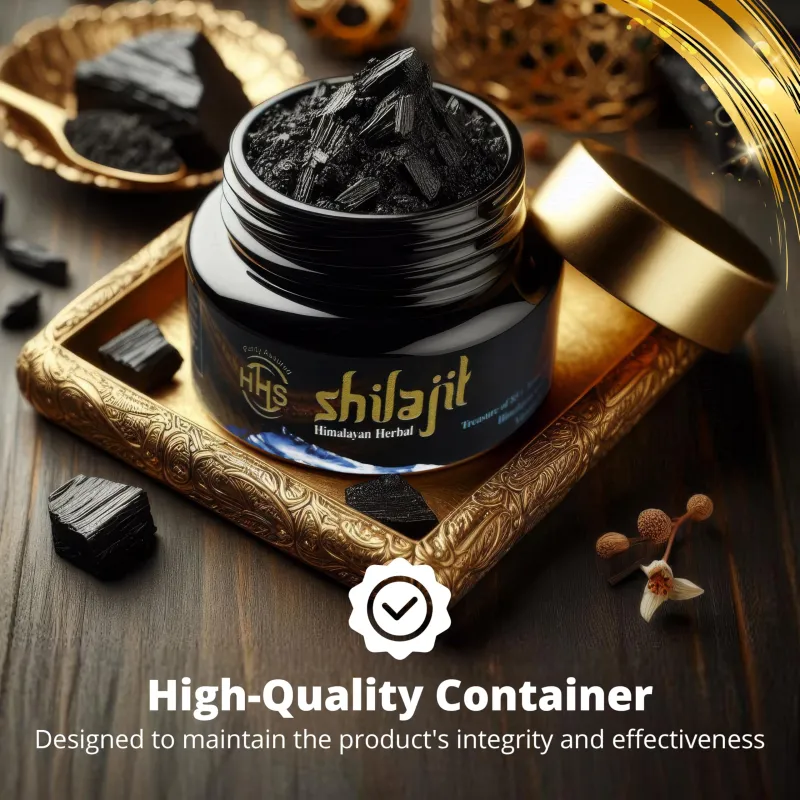
Photo: shilajit resin black paste spoon warm water glass jar, via australianvit.com
There's a moment at the shilajit checkout page every buyer knows: resin on the left, capsules on the right, and your cursor hovering somewhere in the middle. Resin is the traditional stuff — a dark, tar-like paste you dissolve in warm water. Capsules are the tidy, modern compromise. I bought both and spent a month alternating to figure out which one I'd actually stick with.
Here are the field notes, awkward moments included.
Week One: The Taste Test Nobody Warns You About
Let's address the resin first, because the resin demands to be addressed. It tastes like someone scraped the bottom of an old camper and added a hint of smoke. It's not painful, exactly, but it is present. Dissolved in warm water, it's drinkable. Straight off the fingertip — which the internet confidently recommends — it is an experience I did not need twice.
The capsules, meanwhile, taste like nothing. That's their whole personality, and week one, it felt like a superpower.
Score: Capsules 1, Resin 0.
The Mess Factor: My Kitchen Counter Has Opinions
Resin is sticky in a way that defies physics. It clings to the little spoon, the jar rim, occasionally the counter. By day four I'd developed a system — warm spoon, quick scoop, into the water, done — but there was a learning curve, and the curve had casualties (one dish towel, R.I.P.).
Capsules open like a normal bottle, close like a normal bottle, and have never once ruined a towel.
Score: Capsules 2, Resin 0.
Dosing Precision: Where Resin Fights Back
Here's where the script flips. With resin, you can see and adjust your dose — a rice-grain-sized blob versus a pea-sized one is a real, visible difference. Purists argue this is the whole point: you're in control, and nothing's hidden inside a capsule shell.
With capsules, you're trusting the label. Most US brands standardize their doses clearly, so this isn't a dealbreaker, but if you like to start low and titrate up, resin gives you a dial and capsules give you an on/off switch.
Score: Resin 1, Capsules 2.
The Travel gauntlet
In week three I flew to Denver with both formats. The capsules sailed through in a supplement organizer. The resin jar, on the other hand, is a small glass container of a dark, gooey, unnamed substance — the kind of thing that invites questions at security and, worse, could leak in a checked bag at altitude. (It didn't. But I checked the bag twice.)
If you travel more than a couple times a year, this alone might decide it for you.
Score: Capsules 3, Resin 1.
Cost Per Serving: The Spreadsheet Moment
I ran the numbers, because someone had to. Quality resin typically runs $30–60 per jar with roughly 30–50 servings, landing around $0.75–$1.25 per dose. Capsules often cost more per serving — frequently $1–$2 — because you're paying for the manufacturing, the shell, and the convenience.
Resin also tends to be less processed, and many traditionalists argue it's closer to the source material. Whether that translates to a meaningful difference is a question the research hasn't settled, but the cost math favors the goo.
Score: Resin 2, Capsules 3.
The Results, and the Part I Didn't Expect
Final score: capsules win on points. But here's the twist — I liked taking the resin more.
The little ritual of warming a spoon, watching the black ribbon dissolve in warm water, gave the supplement a moment of intention that a capsule swallowed with my multivitamin never had. On resin days, I never forgot a dose. On capsule days, it blurred into the rest of the shelf.
So here's my honest recommendation, thirty days in: if you're new to shilajit or travel a lot, start with capsules. They're foolproof, tasteless, and TSA-proof. If you've decided shilajit is a long-term thing and you want the full traditional experience, the resin is worth the mess — and it's kinder to your wallet over time.
Me? I reordered the resin. My dish towel has been replaced, my spoon technique is flawless, and that weird smoky taste has, disturbingly, started to grow on me.