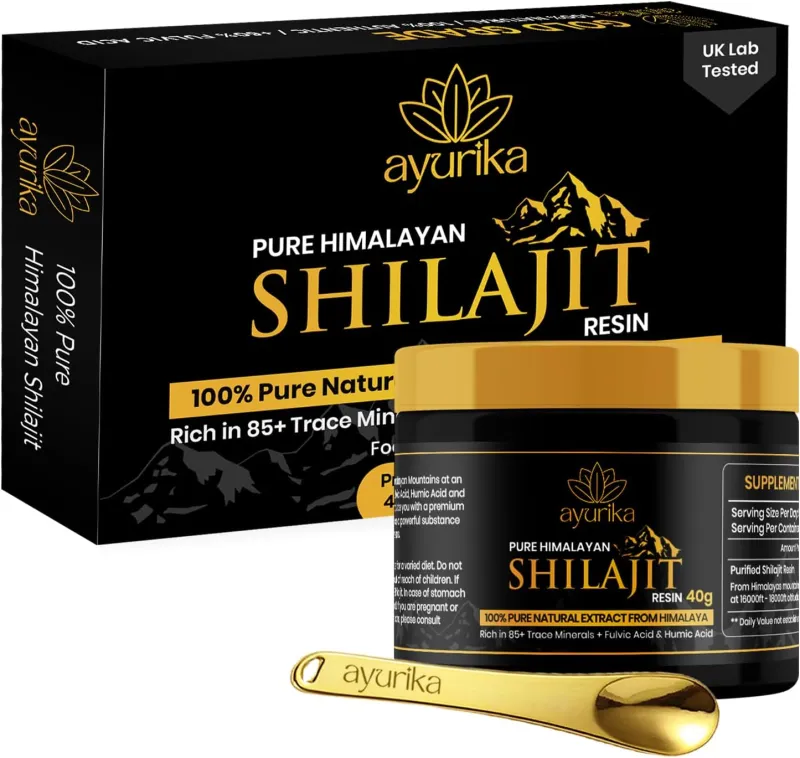
The $4 Adaptogen: How to Spot a Fake Shilajit Jar Before You Waste a Single Dollar
Photo: shilajit black resin in glass jar with wooden spoon on table, via static.wixstatic.com
Somewhere between a TikTok influencer scooping black tar off a spoon and your brother-in-law swearing it fixed his energy levels, shilajit went from obscure Himalayan mineral resin to one of the fastest-selling supplements on Amazon. And wherever there's hype, there's a flood of products that have no business calling themselves shilajit at all.
I've spent the last few weeks digging through listings, certificates of analysis, and ingredient labels so you don't have to. What I found: a lot of jars that are mostly honey, molasses, or plain old fulvic acid powder with a mountain-sounding name slapped on the label. Here's how to shop smarter.
First, Know What Real Shilajit Actually Is
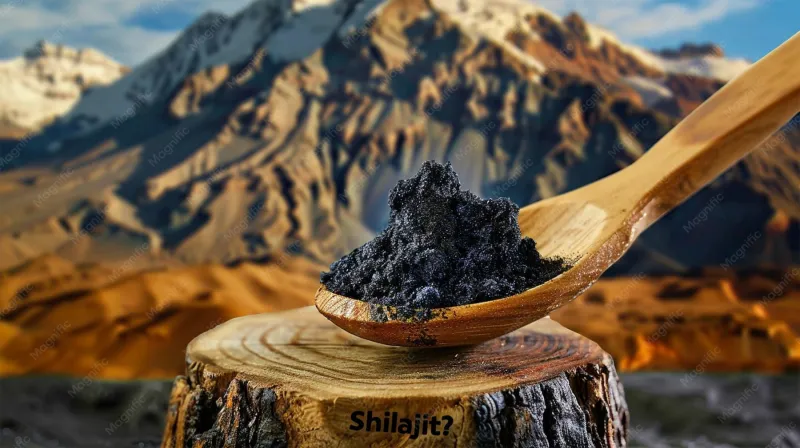
Shilajit is a sticky, mineral-rich resin that seeps from rock formations in high mountain ranges — the Himalayas, the Altai, parts of the Andes. It forms over centuries as plant matter compresses and decomposes. The active compounds people care about are fulvic acid and dibenzo-alpha-pyrones, along with a broad spectrum of trace minerals.
Real resin is dense, glossy, and dark brown to nearly black. It softens in warmth, stiffens in the cold, and has a distinctly earthy, smoky smell that most people describe as "challenging." If your shilajit smells like candy, that's your first clue.
Resin vs. Powder vs. Gummies: The Format Matters
Resin is the closest thing to the real deal. It should come in a small glass jar, because a little goes a long way — a rice-grain-to-pea-sized scoop, once or twice a day. Legit resin isn't cheap; authentic sourcing and purification cost money. A jar that lasts a month or two typically runs $25–$60. If you see "shilajit resin" for $4.99 with free shipping, ask yourself what's actually in the jar.
Capsules and powders aren't automatically fake, but they're where adulteration runs rampant. Many "shilajit powders" are actually pure fulvic acid extracts derived from sources like lignite or shale — technically a fulvic supplement, not traditional shilajit. That may still have value, but you deserve to know what you're buying.
Gummies are almost always a marketing product. Shilajit is bitter, mineral-heavy, and hard to mask. If a gummy contains meaningful amounts of genuine resin, it would taste awful and cost a fortune. Most shilajit gummies contain trace amounts — or none — plus sugar and flavoring.
Read the Lab Report Like a Detective
The single most important thing you can do before checkout: look for a third-party certificate of analysis (COA). Not a "lab tested" badge on the product photo — an actual document, ideally with a batch number matching your jar.
A good COA should show:
- Fulvic acid content, ideally expressed as a percentage of the resin (quality resins often report 50% or higher, though testing methods vary — be wary of implausibly round claims like "100% fulvic acid")
- Heavy metal screening for lead, arsenic, mercury, and cadmium. This is non-negotiable. Shilajit comes from the earth, and low-quality sourcing can concentrate toxic metals
- The name of the actual testing lab, not just the brand's in-house "quality team"
If a brand won't publish a COA or dodges your email asking for one, that's your answer.
The Kitchen Purity Tests (Fun, Imperfect, but Useful)
No at-home test is a substitute for a lab report, but these can help you weed out obvious junk:
The cold test: Real resin hardens and becomes glassy in the fridge. Fake sticky products — syrup-based or honey-cut — stay goopy.
The water test: Drop a small piece into a glass of warm water. Genuine resin should mostly dissolve or disperse, leaving a faint mineral residue and a dark amber tint. If it floats in a greasy film, you may be looking at waxes or oils.
The flame test: A pea-sized bit on a metal surface over a flame will bubble and char — real resin doesn't melt into a clean puddle like plastic or drip like syrup. (Do this carefully and outdoors-ish. You're testing resin, not your fire insurance.)
The smell test: It should smell like earth, smoke, and old forest. Sweet-smelling "shilajit" is flavored, period.
Red Flags at Checkout
Before you hit that "Buy Now" button, run through this quick checklist:
- No COA, or a COA without heavy metal data
- Price that's dramatically below every competitor
- "Proprietary blend" instead of stated fulvic acid content
- Gummies, chews, or anything with sugar listed in the first three ingredients
- Marketing that promises to cure diseases — real brands stay on the right side of FDA structure/function rules
- Reviews that all landed in the same week and sound suspiciously alike
The Bottom Line
Shilajit can be a legitimate addition to a wellness routine — the traditional use goes back centuries, and modern research is starting to catch up. But the US supplement market is the wild west, and shilajit may be its most counterfeited sheriff. Spend your money on a verified, third-party-tested resin from a brand that answers questions straight, and skip the $4 mystery jar. Your minerals — and your peace of mind — will thank you.