The Black Stuff Explained: Getting Real About Shilajit Before You Buy It
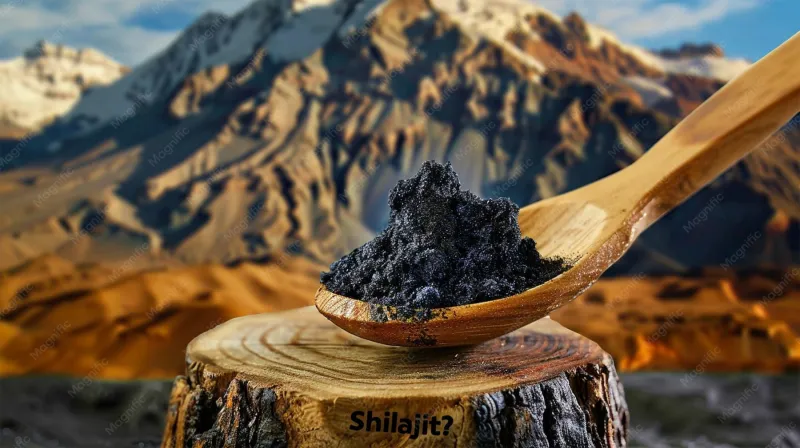
Photo: shilajit black resin on spoon with warm water Himalayan mountains, via img.freepik.com
Scroll through any wellness corner of TikTok and you'll eventually run into it: a spoonful of tar-like black resin dissolving into warm water, accompanied by claims about energy, testosterone, and ancient mountain wisdom. That's shilajit, and it has officially made the jump from obscure Ayurvedic remedy to mainstream American supplement shelves.
But between the hype and the history, there's a lot of confusion. Let's break down what shilajit actually is, where it comes from, and how to avoid wasting money on the fake stuff.
What Shilajit Actually Is
Shilajit is a sticky, mineral-rich substance that seeps out of rock formations in high mountain ranges — most famously the Himalayas, but also ranges in Central Asia and elsewhere. It forms over centuries as plant matter decomposes and compresses under layers of rock, creating a dark, resinous material packed with minerals and organic compounds.
In Ayurvedic tradition, it's been used for well over a thousand years as a rasayana — a rejuvenating substance believed to support strength, stamina, and overall vitality. The name is sometimes translated loosely as "conqueror of mountains" or "rock invincible," which tells you something about the reverence it commands.
The Fulvic Acid Story
The compound that put shilajit on modern supplement labels is fulvic acid, along with its cousin humic acid. These are byproducts of that long decomposition process, and they're the reason shilajit is often described as a mineral powerhouse.
What does fulvic acid actually do? The honest answer: research is promising but early. Some small studies suggest shilajit may support energy metabolism at the cellular level, and there's preliminary research looking at testosterone in healthy men and cognitive health. But the bulk of the bold claims you see online — miracle energy, instant performance gains — outrun the current evidence.
A fair summary: shilajit is a genuinely interesting traditional remedy with emerging science behind it, not a magic potion. Anyone telling you otherwise is selling something.
Real Resin vs. the Fakes
Here's the uncomfortable truth: a lot of what's sold as shilajit isn't the real deal. Because authentic resin is expensive to source and process, the market is flooded with diluted, adulterated, or outright synthetic products.
Some practical ways to spot quality:
- Texture: Real resin is sticky in warmth, firm and glassy in the cold. It should slowly stretch, not crumble.
- Solubility: Genuine shilajit dissolves in warm water into a dark, slightly amber-tinted solution without leaving a pile of gritty residue.
- Smell: It should smell earthy, smoky, and a bit pungent — like bitumen and soil. If it smells like nothing or like perfume, walk away.
- Sourcing transparency: Reputable brands will tell you where their shilajit is harvested (Himalayan regions like India or Nepal are common) and provide third-party lab results. Heavy metal testing matters here — this is a mineral concentrate from raw rock, so purity screening isn't optional.
If a product is suspiciously cheap, that's usually the tell. Real resin takes effort to collect at altitude, and the price reflects it.
Resin, Capsules, or Gummies?
You've got three main options, each with trade-offs:
Resin is the traditional form and generally the most potent per serving. The downside: it's messy, it tastes intense, and measuring a pea-sized dab with a sticky spoon takes some getting used to.
Capsules offer convenience and no taste, with standardized dosing. You may pay a bit more per effective dose, and some capsules use powders rather than purified resin extract — check the label.
Gummies are the newest entry and the most marketing-driven. They're palatable, but heat processing and added sugars can compromise the fulvic acid content, and dosages tend to be modest.
For most people curious about shilajit's traditional use, purified resin from a lab-tested brand is the gold standard. Capsules are a reasonable second choice if the texture is a dealbreaker.
How to Actually Use It
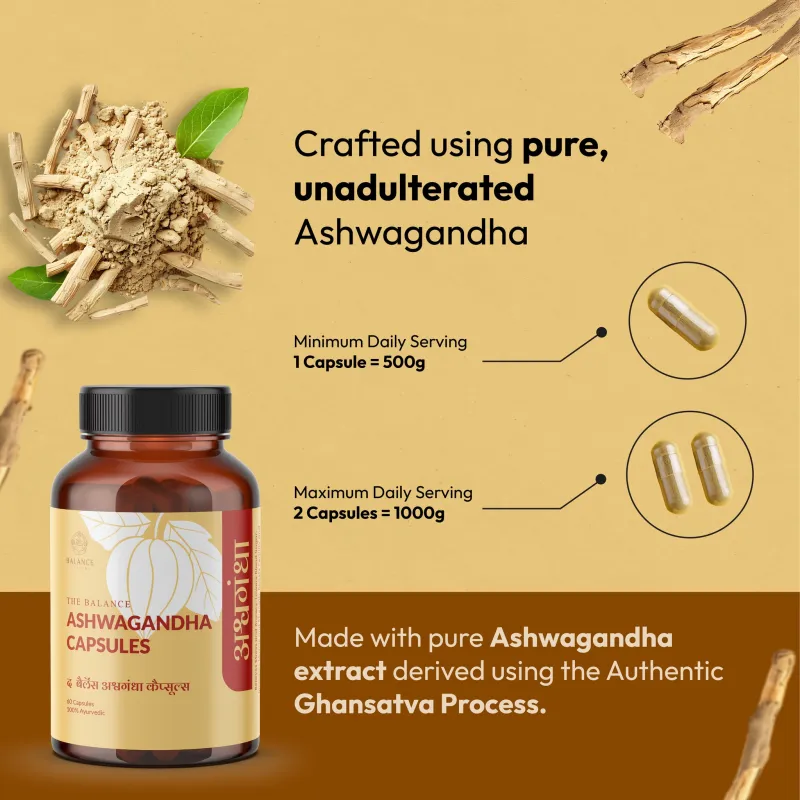
Traditional practice calls for a small amount — roughly rice-grain to pea-sized — dissolved in warm water, milk, or tea, often taken in the morning. Many users pair it with ashwagandha, which is exactly the kind of pairing that inspired this site: two Ayurvedic staples that complement each other's stress and energy support.
Start small, be consistent for several weeks, and pay attention to how you actually feel rather than how the marketing says you should feel.
The Bottom Line
Shilajit earned its reputation over centuries of traditional use, and early research on fulvic acid justifies continued interest. But the American supplement market around it is still the Wild West. Buy from transparent, third-party-tested brands, keep your expectations grounded, and treat it as one piece of a bigger wellness picture — sleep, movement, and diet still do the heavy lifting.