Grandma's Kitchen Was an Ayurvedic Pharmacy (She Just Never Called It That)
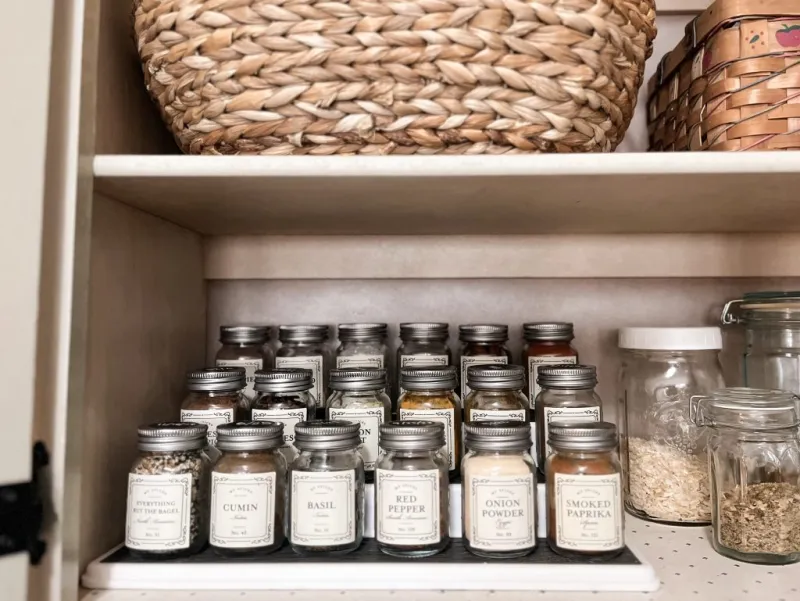
Photo: grandmother's kitchen spice cabinet rustic pantry jars, via thefemininehomemaker.com
Somewhere in your childhood, there's a memory like this: you were queasy, feverish, or just plain cranky, and someone's grandmother appeared with a remedy. Ginger ale with cracked ice. Honey stirred into tea so hot it could strip paint. A mustard plaster that smelled like a deli.
Here's the twist nobody mentioned at the time: those kitchen-cabinet interventions weren't just folk wisdom. Most of them overlap, ingredient for ingredient, with Ayurveda — the 5,000-year-old Indian system of medicine that's suddenly showing up on every wellness shelf in America.
Let's raid the pantry and see what Grandma got right.
Ginger: The Nausea Fix That Traveled the World
When morning sickness or a stomach bug hit, the answer was always ginger — ginger ale, ginger snaps, or (if your grandma was old-school) actual ginger tea brewed from a knobby root she kept in a paper bag.
Ayurveda calls ginger vishwabhesaj, which translates roughly to "the universal medicine." It's been prescribed for digestive complaints since the earliest Ayurvedic texts, classified as heating and cleansing, ideal for stoking what practitioners call agni — your digestive fire. Modern research on ginger for nausea, including pregnancy-related nausea, is actually pretty solid.
So when your grandma pushed the ginger tea? She was quoting Charaka. She just didn't know it.
Honey: The Cough Medicine on Your Counter
A spoonful of honey for a cough is about as American as it gets — and it's one of the few home remedies the mainstream medical establishment has fully embraced. Studies have found honey performs as well as or better than over-the-counter cough syrup for kids' nighttime coughs.
In Ayurveda, honey (madhu) is a classic carrier, or anupana, used to deliver herbs deeper into the tissues. It's prized for soothing the throat and balancing excess kapha — the dosha associated with congestion and heaviness. One warning Ayurvedic practitioners have echoed for centuries that modern medicine agrees with: never give honey to infants under one year old.
Turmeric: The Golden Ingredient Hiding in Plain Sight
Your grandmother's chicken soup probably didn't have turmeric in it — but if you've got even one friend from the South, the Caribbean, or a family with South Asian roots, you've had "golden milk" or turmeric rice at somebody's table.
Turmeric is Ayurveda's crown jewel. The spice owes its anti-inflammatory reputation to curcumin, and it's been used for everything from joint comfort to wound care in traditional Indian medicine for millennia. The traditional trick — pairing turmeric with black pepper and a fat like milk or ghee — isn't superstition, either. Piperine from black pepper dramatically increases curcumin absorption. Grandma's pepper shake was pharmacology.
Cinnamon, Clove, and the Spice Rack as Medicine Cabinet
Cinnamon in the oatmeal. Clove for a toothache (the original OTC dental numbing agent — eugenol is still used by dentists today). Nutmeg grated over warm milk to help you sleep.
Ayurveda treats the spice rack as a first-line pharmacy, and warm spiced milk before bed is a textbook Ayurvedic sleep ritual. If your grandmother grated nutmeg into warm milk on a rough night, she was making a crude version of what Ayurvedic practitioners have prescribed for centuries.
Ghee: The Butter Your Grandma Defended
While the fat-free craze swept America in the '90s, plenty of grandmothers kept cooking with butter — or, if they had Southern or Eastern European roots, clarified butter. In Ayurveda, ghee isn't a guilty pleasure; it's a rasayana, a rejuvenative substance. It's used as a base for herbal preparations and considered one of the most sattvic (pure, balancing) foods in the entire tradition.
The modern wellness world has come back around to ghee. Grandma never left.
Warm Liquids and Rest: The Boring Advice That Works
Every grandmother in history has said some version of "drink something warm and go to bed." Ayurveda agrees wholeheartedly — warm, easily digestible foods and proper rest are foundational to restoring balance, especially when you're run down. Sometimes the oldest advice is the least glamorous and the most correct.
So What's the Next Step Down This Road?
Here's the thing about these pantry staples: they're the entry point of a much older system. If ginger, honey, and turmeric were Ayurveda's everyday toolkit, its deep reserves came from two other sources — adaptogenic herbs and mineral-rich substances.
That's where ashwagandha and shilajit come in.
Ashwagandha root has been used in Ayurvedic practice for centuries as a stress and sleep support herb — the botanical answer to the modern cortisol conversation. Shilajit, the mineral resin that seeps from Himalayan rocks, was traditionally paired with other herbs to support energy and vitality. Neither is exotic anymore; both are sitting in mainstream American stores, usually with far more marketing than context.
If you're curious about adding them to a tradition you've already been practicing — maybe without realizing it — start the way you'd approach any grandmother remedy: simply, one change at a time, with real ingredients from reputable sources. Look for ashwagandha labeled with a standardized withanolide content, and shilajit that's been third-party tested for heavy metals, since resin quality varies wildly.
Your grandmother's kitchen cabinet wasn't a pharmacy by accident. It was accumulated wisdom, refined over generations — the same wisdom Ayurveda wrote down five thousand years ago. All you're doing now is reading the rest of the book.
As always, check with your doctor before starting any new supplement, especially if you're pregnant, nursing, or taking medication.