
Unearthing the history How casinos evolved through the ages
The Origins of Gambling
The history of casinos can be traced back to ancient civilizations, where gambling was often associated with rituals and celebrations. Archaeological evidence suggests that as far back as 3000 BC, societies in China and Mesopotamia engaged in games of chance using rudimentary forms of dice and betting. These early forms of gambling laid the groundwork for what would eventually evolve into modern casinos. Today, players looking for a fast payout online casino can appreciate the long journey that gaming has undertaken.

As cultures evolved, so too did the concept of gambling. The Greeks and Romans incorporated games of chance into their social lives, with betting on athletic contests and chariot races becoming popular. This integration of gambling into public life marked a significant shift, highlighting the social aspect of gaming that would continue to grow over the centuries.
The Rise of Formal Gambling Houses
The emergence of formal gambling houses began in the 17th century, particularly in Italy, where the first known casino, the Ridotto, was established in Venice in 1638. This marked a pivotal moment in the history of gambling, as it provided a dedicated space for people to engage in games of chance in a regulated environment. The concept quickly spread throughout Europe, with various establishments offering a range of games from card games to dice.
As casinos became more popular, they attracted a mix of social classes, becoming places where people gathered not just to gamble, but also to socialize and enjoy entertainment. The appeal of glamour and excitement associated with these early casinos set the stage for their evolution into entertainment hubs in the centuries to follow.
The American Influence
The arrival of casinos in the United States can be traced back to the early 19th century, with the establishment of gaming houses in New Orleans. However, it was the Gold Rush that significantly propelled the growth of gambling in America. Towns sprung up around mining sites, and makeshift casinos became central to the social fabric of these burgeoning communities.
The early 20th century saw a formalization of gambling laws, leading to the establishment of more organized and regulated casinos. Las Vegas emerged as the gambling capital in the mid-20th century, transforming into a glittering oasis that attracted visitors from across the globe. This evolution showcased not only the financial potential of casinos but also their ability to merge entertainment, luxury, and adventure.
The Digital Revolution and Online Casinos
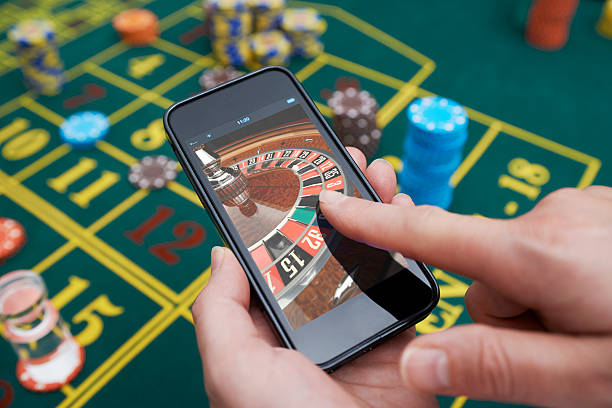
The advent of the internet in the late 20th century revolutionized the gambling landscape. The first online casinos emerged in the mid-1990s, offering players the convenience of playing from the comfort of their homes. This shift democratized access to gambling, allowing enthusiasts from all over the world to partake in a wide array of games.
Online casinos have since grown exponentially, introducing innovations such as live dealer games and mobile betting. The competitive nature of this digital space has pushed traditional casinos to adapt, blending physical and digital experiences to attract a new generation of gamblers. This evolution represents the latest chapter in the long history of casinos, reflecting broader technological and societal changes.
Understanding Casino Culture Today
In today’s world, casinos are not merely places to gamble; they represent complex cultural phenomena. They embody entertainment, luxury, and social interaction, providing visitors with immersive experiences. Many modern casinos are akin to theme parks, offering dining, shopping, and live entertainment alongside traditional gaming.
As the casino industry continues to evolve, it faces challenges such as regulatory changes and competition from online platforms. Yet, the allure of casinos endures, captivating audiences with the promise of thrill, chance, and the potential for financial gain. This ongoing evolution reflects the dynamic interplay between tradition and innovation in the world of gambling.
