
The fascinating journey of gambling through the ages
Origins of Gambling
The history of gambling traces back thousands of years, with evidence suggesting that ancient civilizations engaged in various forms of games of chance. Archaeological findings indicate that the Chinese were playing rudimentary games of chance as early as 2300 BC. The use of dice, which can be traced back to Mesopotamia, further illustrates that the allure of gambling has been intertwined with human culture for millennia. In today’s world, many enjoy activities like the Aviator betting game as part of that long tradition.
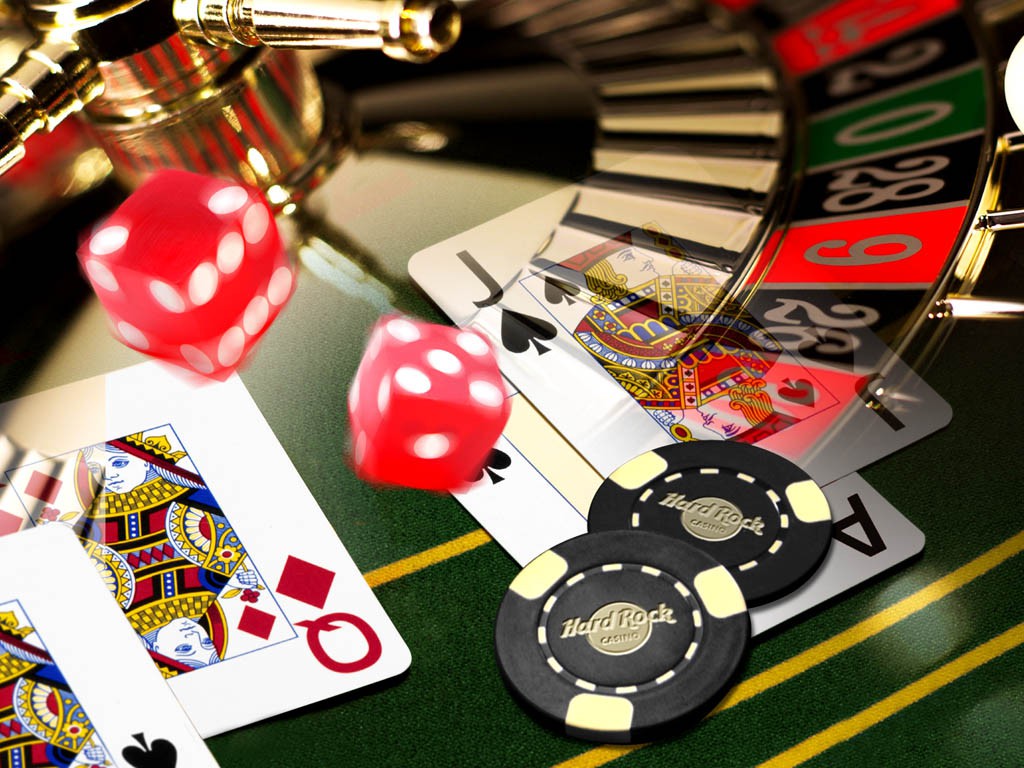
In ancient Rome, gambling was rampant among citizens, often taking the form of betting on gladiatorial games and chariot races. Despite the attempts of various rulers to curb gambling activities, it flourished, showcasing a complex relationship between societal norms and gambling practices. This historical backdrop sets the stage for understanding how gambling evolved as a social phenomenon.
The Evolution of Gambling in Society
As societies developed, so did the methods and attitudes surrounding gambling. The Middle Ages saw gambling become a popular pastime among the nobility, often tied to strategic games such as chess, which were used to hone military tactics. The introduction of playing cards in Europe during the 14th century marked a significant turning point, leading to the establishment of various card games that would become integral to gambling culture.
During the Renaissance, gambling became further legitimized, with the establishment of formal gambling houses. This period also highlighted the growing social implications of gambling, as it transitioned from a mere game of chance to a significant social activity. The class divisions in gambling practices began to emerge, affecting social dynamics and reinforcing hierarchical structures within society.
The Impact of Regulation and Legislation
The 19th century witnessed a pivotal change in the regulation of gambling, as governments began to take notice of its social implications. Many countries enacted laws to control gambling, establishing state-run lotteries and legalizing certain forms of betting. This shift not only aimed to generate revenue but also to address the societal issues related to gambling addiction and crime.
As public perceptions evolved, so did legislative responses. The introduction of casinos in various parts of the world, such as Monte Carlo and Las Vegas, marked a significant evolution in the gambling landscape. The development of these entertainment hubs highlighted the dual nature of gambling as both a social activity and a potential source of social problems, illustrating the ongoing tension between enjoyment and excess.
The Digital Revolution and Modern Gambling
The turn of the 21st century brought about a digital revolution that transformed the gambling industry. The advent of online gambling platforms allowed for unprecedented access to a variety of games and betting options, breaking down geographical barriers. This shift has made gambling more accessible but has also raised concerns about responsible gaming and the potential for addiction.
Modern gambling has evolved to include sophisticated technologies like mobile apps and virtual reality, further changing the landscape. While online casinos offer convenience and a plethora of options, they also present unique challenges in terms of regulation and player protection. The social implications of these changes continue to be a topic of ongoing discussion, as communities grapple with the consequences of increased gambling accessibility.
About This Website
This website aims to provide insightful information about the fascinating journey of gambling throughout history. By exploring the origins, societal impacts, and modern transformations of gambling, we strive to foster a deeper understanding of this complex activity. Our content emphasizes the social implications and encourages responsible engagement with gambling.
We welcome readers to engage with our articles and share their perspectives on the evolving nature of gambling. Through ongoing discussions, we hope to illuminate the intricate relationship between gambling and society, as well as promote awareness of the importance of responsible gaming practices.
