
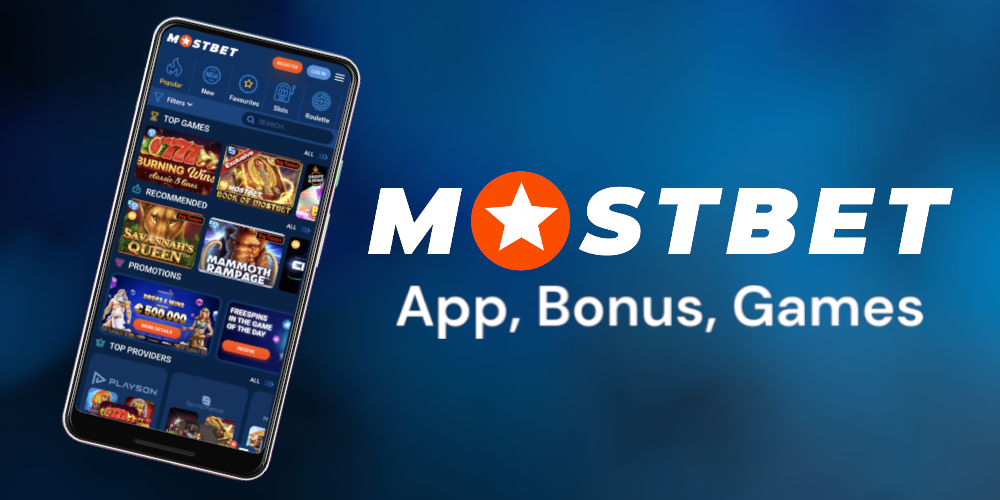
As the digital landscape continues to evolve, the intersection between social media and gambling has become a focal point of discussion. Platforms like Facebook, Twitter, and Instagram are no longer just social networking sites; they have morphed into avenues for marketing and promoting gambling activities. In this rapidly growing digital environment, brands, and players alike must adapt to new methods of engagement. For instance, if you’re looking for exciting betting options, Social Media and Gambling in Azerbaijan Mostbet offers a plethora of choices tailored to diverse user preferences.
Understanding Social Media and Gambling
Social media has revolutionized how we communicate, share information, and promote businesses. In the context of gambling, these platforms provide a unique space for casinos and betting companies to connect with potential customers. Through targeted ads and engaging content, they can reach specific demographics and promote their offerings effectively. With millions of users online, social media serves as a powerful tool for attracting new players and retaining existing ones.
The Rise of Online Gambling
The emergence of online gambling platforms has been significantly influenced by social media. Operators leverage social networks to increase their visibility and accessibility. Many users discover gambling sites through social media feeds, where they encounter promotional offers, odds updates, and testimonials from other players. This not only facilitates the gambling experience but also gamifies it, as users are encouraged to share their achievements and engage in discussions about their favorite games.
The Role of Influencers in Gambling
Influencers play a crucial role in shaping gambling preferences among their followers. As individuals with substantial online presence and credibility, influencers can sway opinions and encourage gambling behaviors. Their endorsements may lead to increased traffic to certain platforms, often without disclosing the risks associated with gambling. It is essential for consumers to remain vigilant and question the authenticity of such endorsements, considering that they may not emphasize responsible gambling practices adequately.
Risks of Gambling Promotion on Social Media
While social media has expanded the reach of gambling, it also poses several risks. Vulnerable individuals, particularly young adults, may easily fall into the trap of gambling addiction. The constant exposure to gambling-related content can normalize risky behaviors and downplay the potential consequences. Furthermore, a lack of age verification mechanisms on social media platforms allows underage individuals unrestricted access to gambling promotions, leading to potential addiction at an early age.
Regulations and Ethical Concerns
In light of these risks, many countries are starting to implement regulations on the advertising of gambling on social media platforms. Governments are recognizing the need to protect consumers and mitigate the risks associated with gambling. Ethical considerations must be taken into account when marketing gambling products through social channels. Companies are obligated to promote responsible gambling and ensure that their content is suitable for all audiences, not just appealing to those likely to engage in harmful gambling behaviors.
Responsible Gambling Practices on Social Media
Although social media provides opportunities for advertisements and promotions, it is essential that both companies and users adopt responsible gambling practices. Players should remember that gambling is meant to be a form of entertainment rather than a source of income. Setting limits on spending and time spent gambling is crucial in maintaining a healthy relationship with gambling activities. Marketers, in turn, should include information regarding support resources and promote self-exclusion tools to empower users in managing their gambling behavior.
Community Engagement and Support Networks
Social media can also serve as a platform for community engagement and support. Online forums and support groups offer spaces where individuals can share their experiences, seek help, and discuss responsible gambling practices. These communities can provide emotional support and practical advice, which can be invaluable for those struggling with gambling addiction. Promoting such spaces can counteract some of the negatives associated with gambling promotion on social media.
Conclusion
In conclusion, the relationship between social media and gambling is complex and multifaceted. While it provides opportunities for greater engagement and user recruitment for operators, it also harbors significant risks that require careful consideration from both companies and consumers. By upholding responsible gambling practices and encouraging open conversations about the risks, stakeholders can contribute to a healthier gambling environment in the digital age. The balance must be struck to enjoy the benefits of social media while striving to minimize its negative impacts on gambling behaviors.
